Most embarkation day mistakes are small and forgettable. One of them, in my family’s case, was not.
The one that’s actually just annoying
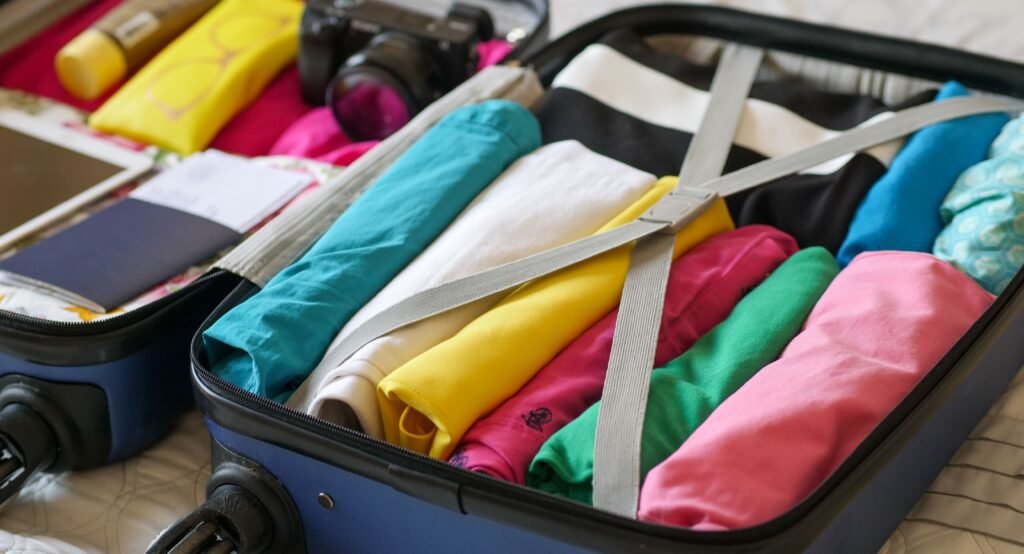
I’ve forgotten shaving cream on more than one trip now, which sounds minor because it is, until you’re standing in your cabin bathroom on day one with nothing to work with. The fix was easy enough, I picked some up during a stop in San Juan. But it’s the kind of miss that happens once packing starts to feel routine. You stop double-checking the little things because you’ve done this forty times, and that’s exactly when a toiletry bag ends up missing something.
The one that actually mattered
My uncle once flew domestically to get to a cruise departure port and didn’t bring his passport, since domestic flights within the US don’t require one. What he didn’t account for is that the cruise itself counts as international travel, even when it’s departing from a US port, and the cruise line refused to let him board without it. He had to turn around and go home. No amount of arguing at the terminal changed that. It’s an easy mistake to make precisely because the logic seems backwards, you don’t need a passport to fly to Florida, but you do need one to get on the ship waiting there once you land.
Why this catches people off guard
The domestic flight part of the trip and the cruise part of the trip operate under completely different rules, and it’s easy to mentally lump them together as one trip with one set of requirements. There’s also a reason this comes up on nearly every cruise out of the US, not just some of them. Roughly 90 percent of cruise ships serving American ports are foreign-flagged, and an 1886 law called the Passenger Vessel Services Act requires foreign-flagged ships to stop at a foreign port on any round-trip sailing between US ports. That’s not an itinerary choice the cruise line is making, it’s the law forcing it, which means almost every closed-loop cruise counts as international travel by default. A closed-loop cruise, one that starts and ends at the same US port, technically only requires a government-issued ID and proof of citizenship rather than a passport in some cases, but that’s a narrower exception than most people assume, and cruise lines vary in how strictly they enforce it. A passport removes the ambiguity entirely. If there’s any chance your specific sailing might not qualify as a closed-loop itinerary, or if you’re at all unsure how your cruise line is going to interpret the rules that day, bring the passport. It’s not worth finding out the hard way at the terminal.
What I actually do differently now
I’ve adopted my mom’s system at this point, she’s kept a packing checklist for years, hers on pen and paper, mine on my phone, and going through it before every trip has cut down on the small misses considerably. It also helps that my wife handles most of the actual packing these days, and she’s far more diligent about it than I ever was on my own. Passport still gets its own separate mental check regardless, packed first, before anything else, precisely because it’s the one item that can end an entire vacation before it starts if it’s missing. Everything else is replaceable somewhere along the itinerary. That one usually isn’t.