Twenty years in and I still run into cruise terms that nobody bothers explaining until you’ve already booked something based on a word you half understood. Here’s the list I’d hand a first-timer, with a couple of real stories mixed in where I’ve got them.
Guarantee Cabin (GTY)
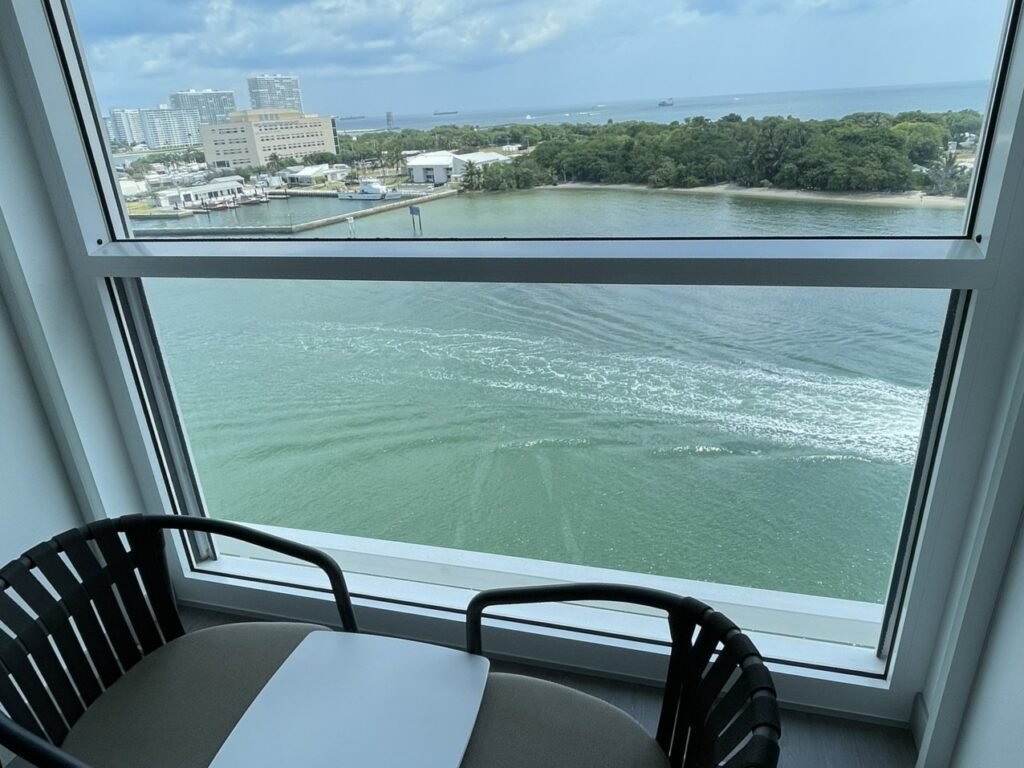
Booking a guarantee category means you’re paying for a cabin type, interior, oceanview, balcony, but the cruise line assigns your specific room number shortly before sailing instead of letting you pick it yourself. It’s sometimes cheaper, and occasionally you get bumped up a category for free if there’s more inventory in a higher tier than they need. I learned the risk side of this one firsthand, a guarantee cabin once landed us with a badly obstructed view, a lifeboat or overhang blocking most of the window. Nothing went wrong with the booking, that’s just the gamble you’re accepting when you let the cruise line choose for you instead of picking your own cabin.
OBC (Onboard Credit)
A dollar amount added to your onboard account that you can spend during the cruise, drinks, specialty dining, spa treatments, shore excursions, whatever you’d normally pay for out of pocket. It’s not cash you get back at the end, it just offsets charges while you’re sailing. OBC shows up a few different ways, sometimes it’s a perk the cruise line includes with certain bookings, sometimes a travel agent adds it as an incentive, and sometimes it comes from a credit card rewards program or loyalty tier. Worth checking your account early in the cruise so you actually use it before the trip ends.
Tender Port
When a ship can’t dock directly at a port, usually because the harbor’s too shallow or too small, it anchors offshore and shuttles passengers to land using smaller boats called tenders. It adds an extra step to getting ashore, and on busy tender ports the line for a boat back to the ship can eat into your time in port if you’re not paying attention to the return schedule. My mom won’t do tenders anymore at all, and it’s a real issue for more people than you’d think, even someone who’s completely fine on the main ship can feel every small wave on a tender, since it’s so much smaller and sits so much lower in the water. It’s one more thing worth planning around if motion sickness is a concern for anyone in your group, since there’s no way around a tender stop once you’re already at that port.
Muster Drill
The mandatory safety briefing that happens before the ship leaves port, covering what to do in an emergency and where to go if the alarm sounds. Most lines have shifted to a mostly digital version now, watch a safety video on your phone or the cabin TV, then check in briefly at your assigned muster station. It used to mean standing in a hallway with your life jacket for twenty minutes. It’s a lot less painful than it used to be.
Sea Day
Any day on the itinerary where the ship doesn’t stop at a port, it just sails. Sea days tend to have the fullest onboard activity schedules since everyone’s on the ship all day instead of ashore, and they’re usually when pools and lounges are busiest.
Aft, Midship, and Forward
The three general zones of the ship, back, middle, and front. Midship cabins tend to feel the least motion since they’re closest to the ship’s center of gravity, which matters if you’re prone to seasickness. Aft cabins often get bigger balconies and wake views, forward cabins can feel more of the ship’s motion in rough seas.
Port and Starboard
Left and right, but fixed to the ship itself rather than to whichever way you’re facing. Port is always the left side when you’re facing the bow (front), starboard is always the right, regardless of which direction you’re standing or looking. It’s confusing for exactly as long as it takes to actually stand on a ship and get your bearings once.
Repositioning Cruise
A one-way sailing that moves a ship from one region to another between seasons, rather than a standard round trip back to where it started. These often run at a discount since the itinerary is built around getting the ship somewhere new rather than around maximizing port stops, and they tend to have more sea days than a typical cruise.
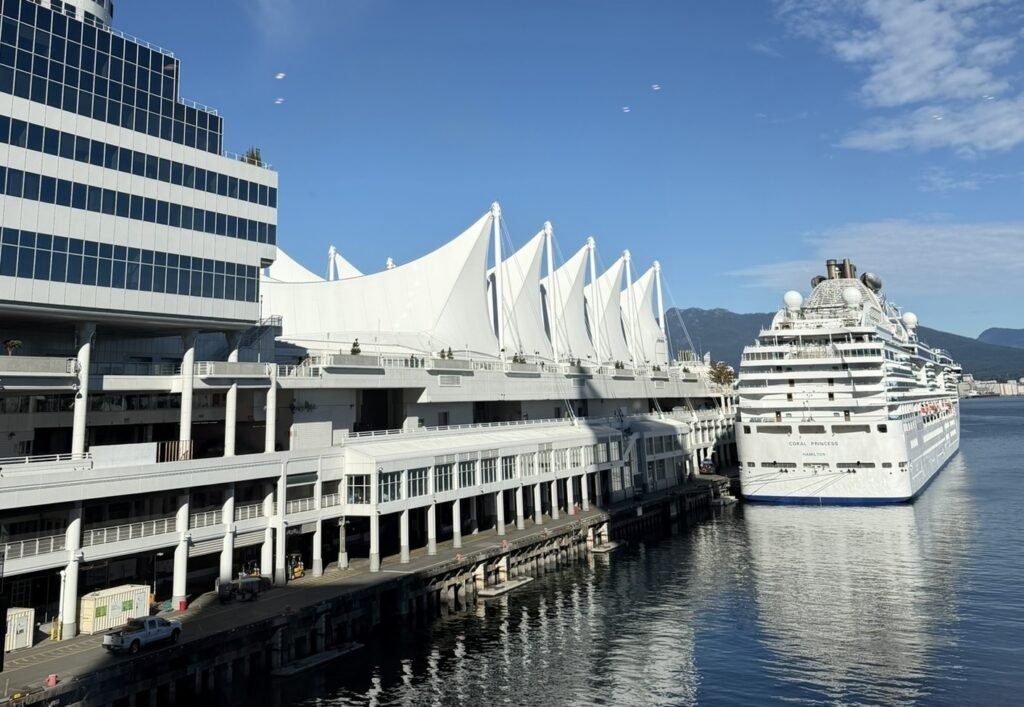
Hawaii is actually one of the best examples of why repositioning cruises exist at all. An 1886 law called the Passenger Vessel Services Act requires foreign-flagged ships, which is most of the industry, to stop at a foreign port on any round-trip sailing between two US ports. Since Hawaii itself doesn’t have a nearby foreign port to detour to, a round-trip Hawaii cruise on a foreign-flagged line usually isn’t practical. The workaround is exactly the trip I’ve got booked, a one-way repositioning cruise from Honolulu to Vancouver, since ending in a foreign port satisfies the law without needing an extra detour. It’s actually the only realistic way to sail Hawaii on a line like Celebrity. The one exception is Norwegian’s Pride of America, the sole large US-flagged ship in the industry, which can run interisland Hawaii cruises without any of this because the law doesn’t apply to it in the first place.