After enough cruises, packing stops being a task you think through and becomes something closer to muscle memory. That’s not really a brag, it’s more of a warning. Muscle memory is exactly how things get left behind, because you stop double checking the things you’re sure you already know.
The system beats the memory
My mom has been cruising longer than I have, and her packing method has never changed, a paper checklist she goes through by hand every single trip regardless of how many times she’s done it before. I’ve adopted the same habit, just on my phone instead of paper. I go through it before every cruise, no exceptions, no matter how routine the trip feels.
The point of a checklist isn’t that experienced cruisers forget more than beginners. It’s that confidence is exactly what makes you skip the check. A first timer packs carefully because everything feels uncertain. Twenty years in, uncertainty isn’t what’s stopping you, complacency is.
My wife handles most of the actual packing for our trips and she’s genuinely diligent about it, more organized than I am left to my own devices. Between her approach and my checklist habit, not much slips through anymore, but it’s the system doing that work, not experience alone.
You need less than you think, especially clothes
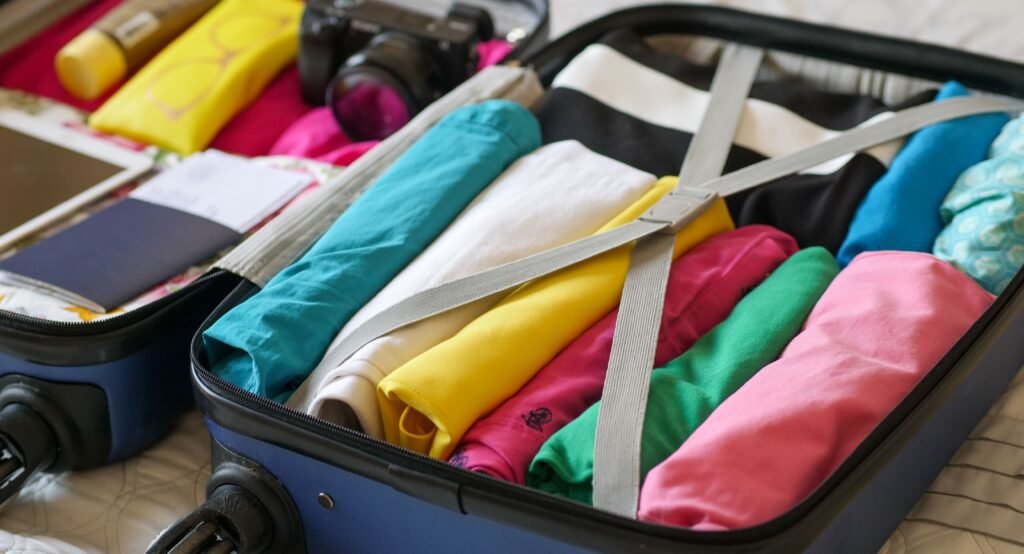
Almost every seasoned cruiser I’ve come across says some version of the same thing, the amount of clothing that feels necessary before your first cruise is more than you’ll actually use. Most ships have laundry service or a self-serve laundry room, and once you’ve done a few sailings you start packing for mixing and matching rather than a fresh outfit for every single day.
Formal night is the one area where I’d actually tell people to check before assuming. Most mainstream and premium lines have relaxed considerably over the years, cocktail attire or smart casual covers you on the vast majority of sailings now. Cunard is the real exception here, they still lean into a genuinely formal Gala Evening on longer voyages, so if that’s the line you’re sailing, pack accordingly rather than assuming the same casual approach that works everywhere else.
The confiscation table tells its own story
One thing I notice on nearly every sailing is the table of confiscated items sitting at the security screening area, and it’s rarely a small pile. Irons and travel steamers show up constantly, along with surge protectors and extension cords, both banned on most ships for fire safety even though they seem harmless. Pocket knives and multi-tools get flagged too, often because someone forgot one was clipped to a keychain or tucked into a toiletry bag. Most of these items aren’t gone for good, they get held and returned at the end of the cruise, but that doesn’t help you during the week you actually needed them.
The lesson isn’t really about any one item. It’s that the list of what’s not allowed changes less than people expect, and it’s worth a quick check against your cruise line’s current policy before you pack, especially for anything electrical or anything with a blade.
Carry-on isn’t just for convenience
This is one of the habits that’s stuck with me regardless of how many cruises I’ve done, keep a change of clothes and anything you’d need for the first few hours in your carry-on rather than your checked luggage. Checked bags can take time to arrive at your cabin after boarding, sometimes several hours, and you don’t want your first afternoon on the ship dictated by whether your suitcase has shown up yet. It’s the same logic behind a lot of the embarkation day habits I get into in The Getting-to-the-Ship Mistakes I’ve Made More Than Once, the first few hours run smoother when you’ve planned for the gap between arriving and actually settling in.
The habit that actually matters
None of this is really about a specific item you should or shouldn’t pack. It’s about having a system you trust enough to run through every time, the same way regardless of how many cruises you’ve got behind you. My mom’s paper list and my phone version do the same job. They catch the thing you’d otherwise assume you didn’t need to think about anymore.