
The first time I looked into a solo trip years ago, before I understood how any of this worked, I nearly closed the browser tab over the price. A cabin that should have cost $700 per person was suddenly $1,400 for one person. No second passenger, same bill as two. That’s the single supplement, and it catches almost every first-time solo cruiser off guard.
What the single supplement actually is
Cruise fares are built around double occupancy. The line prices a cabin assuming two people will fill it and split the cost. Book that same cabin alone and most lines charge you the full double rate anyway, sometimes even more, because they’re recovering the second fare they didn’t sell.
Here’s the part that trips people up. The percentage isn’t the total you pay, it’s a surcharge added on top of your base fare. A 100 percent supplement means you pay your fare, then an equal amount again, landing you at double the per-person rate, the same total a couple would pay together. A 200 percent supplement means you pay your fare, then triple that on top, landing you at roughly three times the per-person rate, alone, in a room built for two.
That’s not a hypothetical. Forbes compared an 8-day Celebrity cruise where a double-occupancy guest paid $1,461 per person and a solo traveler paid $4,346 for the identical cabin, close to three times as much. Royal Caribbean publishes a standard 200 percent supplement on cabins without a dedicated solo category. Cunard runs 175 to 200 percent. Holland America sits around 200 percent on standard cabins outside its Pinnacle class solo rooms. Cruise Critic has a good breakdown of how this varies line by line if you want to dig into a specific one.
Cruise lines justify it less as “recovering the missing fare” and more as recovering the onboard spending they expect to lose too, since a couple typically spends more on drinks, excursions, and specialty dining than one person does. None of that makes it feel less steep when you’re the one being charged for two extra fares you’re not using.
The three ways around it
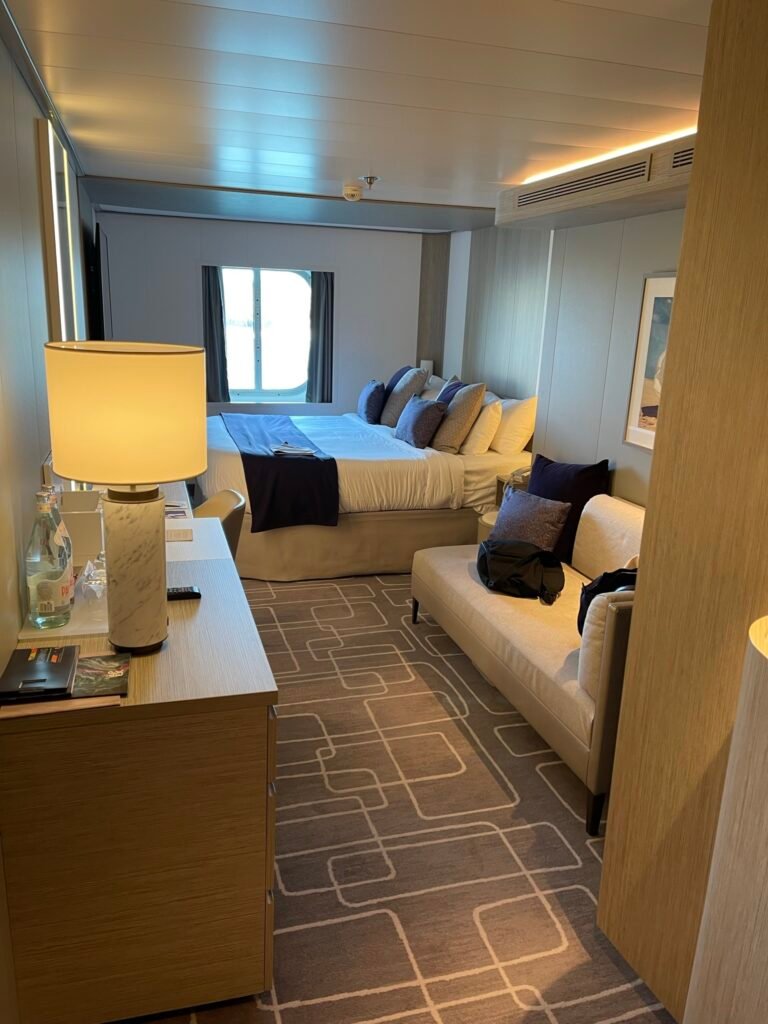
Book a cabin actually priced for one. This is the real fix, not a workaround. Norwegian, Celebrity, Royal Caribbean, Holland America, Cunard, Virgin Voyages, MSC, and Princess all now build at least some staterooms specifically for solo occupancy, priced for one person from the start, no supplement attached. I wrote about how these compare line by line in my solo cabin article. If a dedicated solo cabin exists on your line and ship, book it before anything else. Availability is small everywhere, sometimes as few as a dozen cabins per ship, and they sell out well ahead of the sailing.
Watch for reduced or waived supplement promotions. Mainstream lines like Carnival and Royal Caribbean don’t have permanent solo programs, but they periodically run promotions that cut the supplement or drop it entirely, especially on shoulder season sailings where a ship is undersold. Virgin Voyages runs a Reduced Single Supplement offer fairly often on Sea Terrace cabins, sometimes cutting the second fare by up to 70 percent. These aren’t guaranteed and they aren’t announced far in advance, so the only real strategy is checking pricing across a few different sail dates rather than locking in the first one you find.
Accept the supplement, but choose your cabin category carefully. If no solo cabin exists on your ship and no promotion is running, you’re paying the supplement either way. In that case, don’t pay it on a category you don’t actually want. An interior cabin with a 200 percent supplement is still cheaper in total dollars than a balcony with the same supplement rate. Do the math on the actual dollar difference, not just the percentage, since the gap in real cost between categories usually matters more once you’re the one paying for both berths.
What I’d tell a first-timer
Book early. Solo cabins sell out faster than any other category on the ship, sometimes before general booking even opens to the public. If you’re set on a specific line because of an itinerary or a loyalty program, check that ship’s deck plan for a dedicated solo category before you get attached to a sail date, since not every ship in a fleet carries one. And if a supplement is unavoidable, treat it as the actual price of privacy and a room to yourself, not a fee you’re being punished with. Once I understood the math, it stopped feeling like a penalty and started feeling like a straightforward tradeoff I was choosing to make.