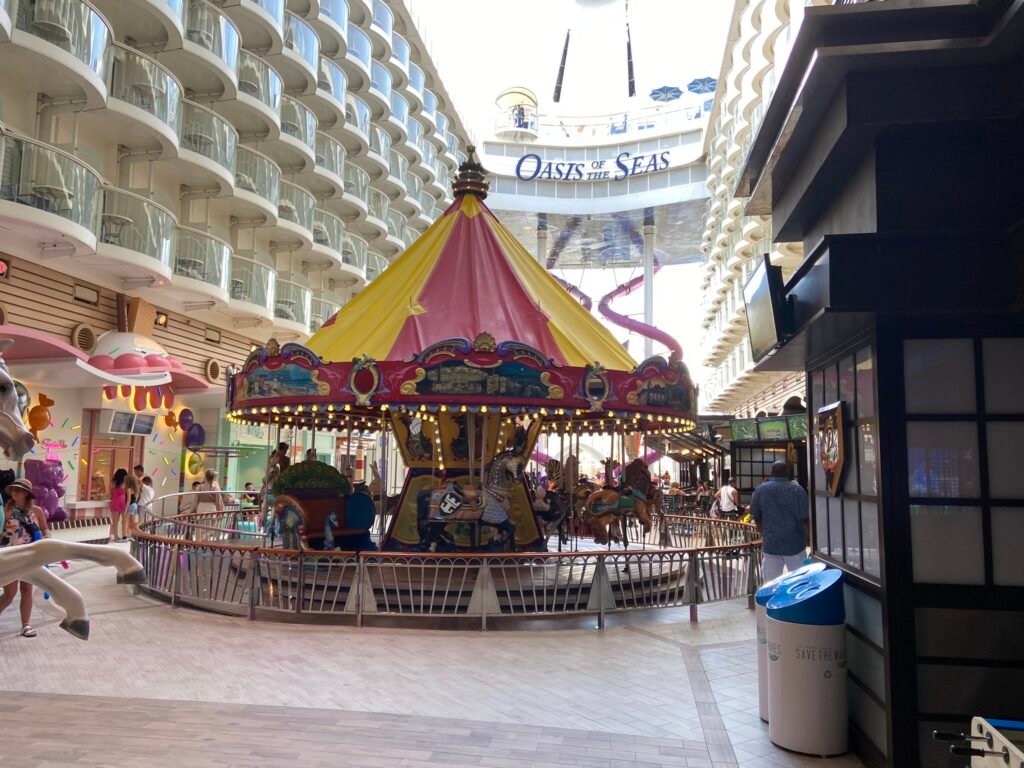
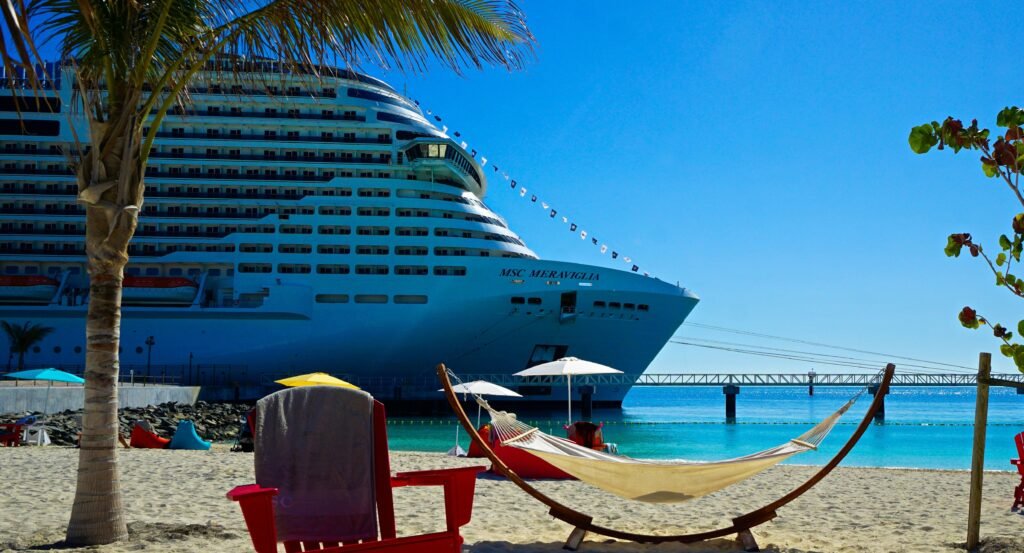
Planning for my mom, my uncle, my cousin’s family, and whoever else joins that year has taught me that cruises are one of the only vacations built to actually handle a group that wants completely different things. It doesn’t mean the planning gets easier, it just means the disagreements have somewhere to go instead of turning into a fight over the one plan everyone has to follow.
The port day question comes up every single time
The biggest recurring disagreement in my family isn’t really about money or cabins, it’s whether to get off the ship at all. My mom doesn’t get much out of yet another Caribbean island stop at this point, she’s seen a lot of them, and she’d rather have a quiet day on the ship than do another beach excursion. Other people in the group want off every chance they get. For a long time I treated this like something that needed a single answer, everyone off or everyone on, and that never actually worked. The fix turned out to be obvious once I stopped fighting it, split the day. Some of the group goes ashore, my mom stays on the ship and has it nearly to herself, and everyone reconnects for dinner. Nobody has to talk anyone into anything, and nobody’s stuck doing something they didn’t want just to keep the group together.
Cruises are built for this in a way land trips aren’t
What makes this actually workable is that a cruise ship gives everyone somewhere to go without anyone having to leave the group entirely. On a land vacation, splitting up for the day usually means a real logistical project, separate transportation, separate plans, coordinating a meeting point later. On a ship, splitting up just means walking to a different deck or staying in the cabin instead of the excursion bus. Everyone’s still technically together, still eating dinner together, still sharing the trip, even on the days they’re not doing the same thing during it. That’s the part that makes a mismatched group actually work as a group instead of quietly resenting each other by day three.
Pacing matters as much as the itinerary
This connects to something I’ve written about before with my mom and uncle specifically, building in real rest instead of pushing everyone through a full schedule. The same logic applies to the whole group, not just the two of them. Someone always wants to do everything on offer, and someone else is happy with a book and a pool chair. Letting both be true at the same time, instead of picking one pace for everyone, is most of what makes the week feel good rather than exhausting.
The part nobody tells you about
Managing everyone’s enjoyment throughout a trip is genuinely more stressful than people expect going in. Even when the itinerary is solved and the cabins are booked and the port day plan is set, there’s a constant, quiet check-in happening in my head the whole trip, is everyone actually having a good time, does anyone feel like they’re missing out, did that split-day plan actually land the way I thought it would. Nobody asks for that job, but when you’re the one doing most of the planning, it comes with it whether you want it or not. I don’t have a clean fix for that part. It just is what it is, and knowing that going in helps more than pretending it isn’t there.
What actually makes it work
Split days when the group wants different things. Let the ship do the logistical work land trips can’t. Build in real rest instead of assuming everyone wants the same pace. And accept that some of the planning job is invisible and doesn’t end once the itinerary’s booked. One more thing worth flagging, when you split up activities as much as we do, the ones the whole group actually does together become rare, so book those early. They’re often sold out months in advance, and that’s not the excursion to leave for later. None of this makes a group with different priorities agree on everything, but it stops needing them to.