I need to be upfront about something before this one starts. On my one solo cruise, I skipped the main dining room entirely, I preferred grabbing a quick dinner on my own schedule over committing to a multi-course pace each night. So I can’t tell you what it’s actually like from my own table for one. What I can do is dig into what solo cruisers who eat there every night actually report, and there’s a pretty consistent picture once you look past the first-night nerves everyone seems to mention.
The fear is almost always bigger than the reality
Nearly every account I found follows the same arc. Someone dreads their first solo dinner, sits down expecting to feel watched or judged, and within a night or two realizes nobody around them is paying any attention at all. One frequent cruiser summed it up plainly after trying it for the first time, the truth is other passengers barely notice you’re alone, and fewer still care. That pattern holds up across mainstream lines, from Royal Caribbean to Celebrity to MSC, regardless of ship size or how many nights into the cruise someone is.
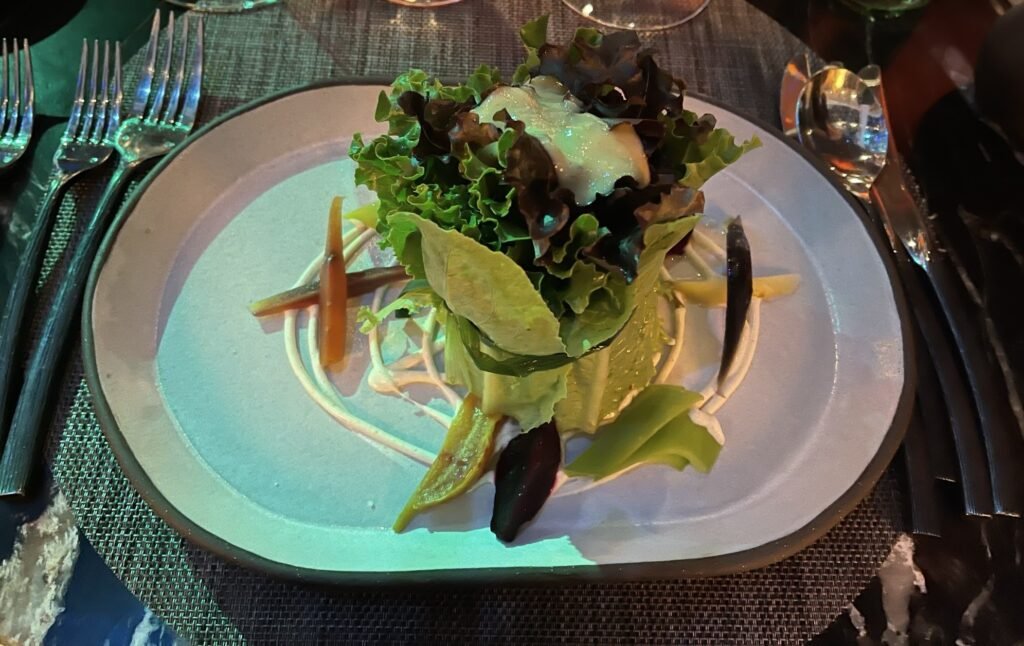
The practical upside solo diners mention often surprised me. Eating alone tends to move faster than dining with a group, since there’s no waiting on anyone else’s pace or conversation lulls between courses. Several solo cruisers said they actually prefer the main dining room over the buffet specifically because the food quality and service are better, and going solo doesn’t change that value.
It didn’t always work this way
Worth knowing if you’ve cruised long enough to remember it differently. For most of cruise history, dinner meant one fixed time and one assigned table for the entire sailing, no choice in the matter. Norwegian broke that mold in the 1990s with Freestyle Cruising, letting passengers eat whenever and wherever they wanted instead of reporting to the same seat every night. Other lines followed with their own flexible options over the following decades, and today most ships offer a choice between traditional assigned seating and flexible open dining. If your early cruises had you locked into the same table with the same strangers every night, that wasn’t imagined, that was just how cruising worked before flexible dining existed.
Table for one, or a shared table
You generally get two real options at dinner. Request a table for one and eat entirely on your own terms, book when you want, linger or leave whenever suits you. Or request a shared table and get seated with other solo travelers, couples, or families willing to take on an extra seat. Cunard specifically holds a table for you in your assigned restaurant every night but leaves it entirely up to you whether you eat there alone or ask to join others, no pressure either direction.
Both paths get used often enough that neither one marks you as the odd cruiser at dinner. Some solo travelers deliberately alternate, quiet nights alone with a book early in the trip, then shared tables once they’re more comfortable and want the company. A few solo cruisers described genuinely lasting friendships that started at an assigned shared table, the kind where they stayed in touch with tablemates long after the cruise ended.
Ship size seems to matter, just not the way you’d expect
I assumed smaller ships would feel more self-conscious for a solo diner, more eyes in a smaller room. The research says the opposite. Smaller ships, especially river and expedition vessels, often have communal dining with large shared tables, sometimes the only dining room option onboard, which pushes solo travelers to mix with someone new most nights. You also tend to see the same passengers again and again simply because there’s less ship to spread out across, which builds familiarity fast. Larger mega-ships give you more anonymity, plenty of other solo diners to blend in with, but you can go days without crossing paths with the same person twice. If meeting people matters more to you than blending in, a smaller ship may actually serve that goal better than a massive one.
What I’d actually try next time
I want to do a full solo trip with the dining room included, not skip it the way I did on my Celebrity Edge cruise. Based on everything I’ve read, my plan is to request a table for one for the first couple of nights just to get comfortable with the rhythm of eating alone, then ask to switch to a shared table partway through the trip once I’ve settled in. That seems to be the approach that gets the best of both, some quiet nights on my own terms, and a real shot at the kind of table conversation that turns into an actual friendship by the end of the cruise.